Your First 12 Weeks: What to Expect When You Start Strength Training After 40
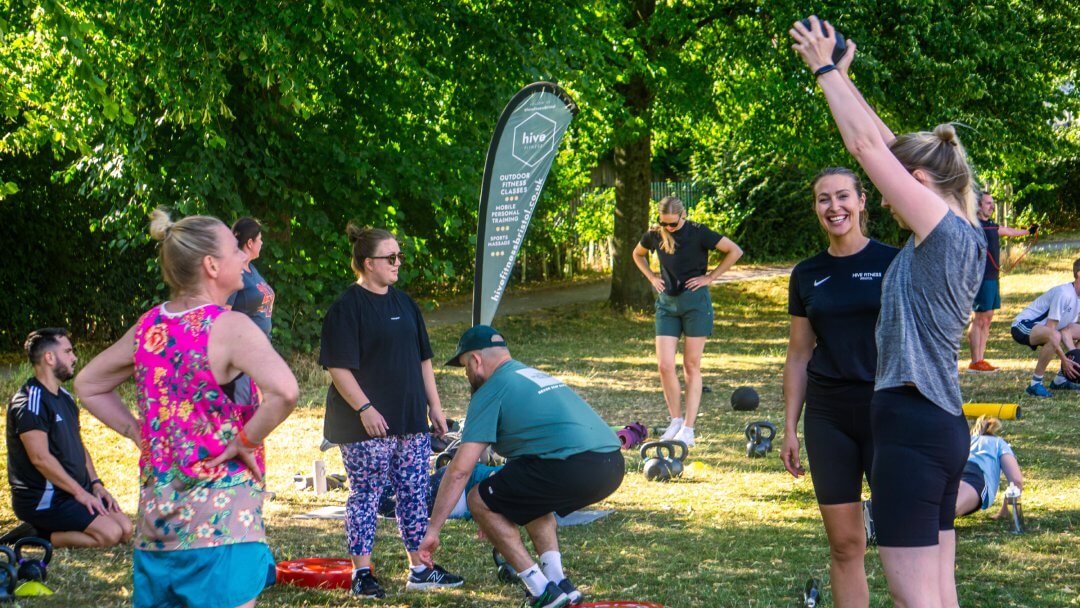
Starting a strength training programme after 40 can feel daunting. You might wonder if you’ve left it too late, worry about injury, or simply not know what to expect. This guide walks you through exactly what happens in your first 12 weeks—the realistic timeline, the changes you’ll notice, and why those initial sessions matter more than you think.
If you’ve read about why strength training becomes essential after 30 or recognised warning signs that your body needs strength work, you already understand the why. Now let’s address the how—and what you can realistically expect when you take that first step.
The Truth About Starting Later
Here’s something that might surprise you: starting strength training at 40, 50, or even 60 often leads to more dramatic improvements than starting at 25. You’re working from a lower baseline, and your body responds remarkably well to the new stimulus.
Research published in the Journal of Strength and Conditioning Research found that previously untrained adults over 40 gained strength at comparable rates to younger participants during their first 12 weeks. The key difference? Older beginners often showed greater improvements in functional capacity—the strength that actually matters for daily life.
This isn’t about becoming a competitive athlete. It’s about climbing stairs without breathlessness, carrying shopping without strain, and maintaining the independence you currently take for granted.
Weeks 1-4: The Neural Phase
During your first month, something fascinating occurs that has nothing to do with visible muscle growth. Your nervous system is learning to communicate more effectively with your muscles—a process called neural adaptation.
Think of it like this: your muscles already have capacity you’re not using. Your brain has simply forgotten how to access it. These early weeks are about re-establishing those connections.
The first session: Expect to feel slightly uncoordinated. Movements that look simple—a squat, a lunge, a press—require more concentration than anticipated. This is completely normal.
Days 2-3 after: You’ll likely experience delayed onset muscle soreness (DOMS). This isn’t injury—it’s your body’s natural response to new demands. The soreness typically peaks 24-48 hours after exercise and fades within a few days.
By week 2: The severe soreness diminishes significantly. Your body is adapting to the new stimulus.
Weeks 3-4: Movements start feeling more natural. You’ll notice you’re thinking less about technique and more about effort. This is neural adaptation at work.
You won’t see visible changes in the mirror during this phase. What you will notice: exercises feeling easier despite using the same resistance, better coordination, improved confidence in your body’s capabilities, and often better sleep.
Weeks 5-8: The Adaptation Phase
Now the real muscular changes begin. Your muscle fibres are becoming more efficient at generating force and beginning the slow process of hypertrophy (muscle growth). Your tendons and connective tissues are also strengthening—which takes longer than muscle adaptation, explaining why gradual progression matters so much.
Week 5: Movements you found challenging in week one now feel manageable. This is the payoff from neural adaptation.
Weeks 6-7: Energy levels often improve noticeably. Many people report feeling more alert during the day and less fatigued by evening routines.
Week 8: You might notice subtle changes—clothes fitting slightly differently, or everyday tasks feeling easier. Carrying shopping bags, climbing stairs, getting up from low chairs—these functional improvements often appear before visible changes.
Visible muscle definition is unlikely at this stage, particularly for women. What you will notice: increased strength in everyday activities, better posture (often commented on by others before you notice it yourself), improved mood, and greater confidence in physical capabilities.
Some people experience a temporary slowdown around weeks 6-7. This isn’t failure—it’s your body consolidating gains before the next phase. Consistency through this period is crucial.
Weeks 9-12: The Reward Phase
By now, genuine muscular adaptations are well underway. Your muscle fibres have increased their capacity to generate force, and you’re building the foundation for long-term strength development.
Perhaps more importantly, exercise has likely become a habit rather than a chore. The psychological shift from “I have to exercise” to “I want to exercise” typically occurs somewhere in this phase.
Weeks 9-10: Strength gains become more noticeable. Exercises that challenged you in week four now feel comfortable, and you’re ready for progressions.
Weeks 11-12: Many people report a significant shift in how they see themselves. You’re no longer “trying to get fit”—you’re someone who trains regularly. This identity shift is often more valuable than the physical changes.
After 12 weeks of consistent training, you can reasonably expect: 20-40% improvement in functional strength measures, noticeable improvements in balance and stability, reduced everyday aches and pains, better energy levels and sleep quality, and a solid foundation for continued progress.
What you probably won’t see: Dramatic visible muscle growth (this takes 6-12 months), complete body transformation, or competition-level strength. The goal isn’t transformation—it’s building sustainable habits that protect your health for decades.
Consistency Over Intensity
The single biggest predictor of success in your first 12 weeks isn’t how hard you train—it’s how consistently you show up.
Research consistently shows that two moderate sessions per week produces better long-term results than sporadic intense training. Your body needs regular stimulus to adapt, and recovery time between sessions is when the actual strengthening occurs.
For meaningful results: two sessions per week minimum, three sessions optimal, with at least one rest day between strength sessions. Missing occasional sessions won’t derail your progress. Missing weeks will.
Addressing Your Biggest Fears
“I’m too unfit to start” — Every single person in a beginner session felt exactly this way. The sessions accommodate all fitness levels, from complete beginners to those who’ve been training for years.
“I’ll hold everyone back” — Group sessions at Hive Fitness accommodate multiple fitness levels simultaneously. You’ll work at your own pace with modifications suited to your current ability.
“I might injure myself” — Starting with bodyweight movements and light resistance actually carries lower injury risk than many daily activities. Proper instruction ensures you’re moving safely from day one.
“I have old injuries/joint problems” — Many people start strength training specifically because of joint issues. Properly programmed strength work often reduces joint pain by building supporting muscle. Always mention concerns to your instructor—modifications exist for virtually every exercise.
“What if I can’t keep up?” — Group sessions have multiple levels built in. While one person does full press-ups, another does an elevated version. Same movement pattern, different intensity. You work at your level, progressing when ready.
“I’ve tried before and failed” — Previous attempts usually failed due to unsustainable approaches—too intense too quickly, programmes that didn’t fit real life, or training alone without accountability. Community training and gradual progression address these failure points.
Your First Session at Hive Fitness Bristol
Knowing what to expect removes much of the anxiety. Here’s what happens when you join a session at Redcatch Park or The Harbour Totterdown:
Before you arrive: Wear comfortable clothing you can move freely in and trainers with good support. Bring water and arrive a few minutes early.
Warm-up (10 minutes): Movement preparation—gradually increasing heart rate and preparing joints and muscles for work.
Main session (35-40 minutes): Strength movements using bodyweight, resistance bands, and functional equipment. Each exercise has modifications for appropriate challenge.
Cool-down (5-10 minutes): Gentle stretching and mobility work to begin recovery.
The atmosphere: Expect encouragement, not intimidation. Questions welcomed. Struggling is normal. Everyone started somewhere.
The Investment That Pays Compound Interest
Starting strength training at 40+ isn’t about recapturing your youth. It’s about investing in your future independence, health, and quality of life.
Every session you complete in these first 12 weeks builds capacity you’ll rely on for decades. The strength you develop now helps prevent the falls, fractures, and functional decline that diminish quality of life in later years.
The effort you put in during weeks 1-12 establishes patterns and foundation strength that makes weeks 13-52 easier. And that first year makes the following decade more manageable. Strength training genuinely compounds over time.
Your Next Step
You’ve read about why strength training matters. You understand the science. You know what to expect. The only remaining barrier is taking action.
Book your first session at Hive Fitness Bristol and experience exactly what we’ve described. Whether you join us in Redcatch Park’s supportive outdoor environment or at The Harbour Totterdown during winter months, you’ll find expert guidance, community encouragement, and a programme designed for real people with real lives.
Your first 12 weeks start with a single decision. Make it today.
Book Your First Session | View the Class Timetable
Hive Fitness Bristol offers outdoor group fitness classes at Redcatch Park, South Bristol, with indoor winter sessions at The Harbour Totterdown. Specialising in functional strength training for adults over 30, we help Bristol residents build sustainable fitness habits in a supportive community environment.
References
- Mayer F, et al. (2011). The intensity and effects of strength training in the elderly. Deutsches Ärzteblatt International, 108(21):359-364. Available at: https://www.ncbi.nlm.nih.gov/pmc/articles/PMC3117172/
- Sale DG. (1988). Neural adaptation to resistance training. Medicine and Science in Sports and Exercise, 20(5 Suppl):S135-45. Available at: https://pubmed.ncbi.nlm.nih.gov/3057313/
- Cheung K, et al. (2003). Delayed onset muscle soreness: treatment strategies and performance factors. Sports Medicine, 33(2):145-64. Available at: https://pubmed.ncbi.nlm.nih.gov/12617692/
- Peterson MD, et al. (2010). Resistance exercise for muscular strength in older adults: a meta-analysis. Ageing Research Reviews, 9(3):226-37. Available at: https://pubmed.ncbi.nlm.nih.gov/20385254/
Frequently Asked Questions
How sore will I be after my first strength training session?
Most people experience delayed onset muscle soreness (DOMS) 24-48 hours after their first session. This typically feels like muscle stiffness and tenderness, not sharp pain. The soreness usually fades within 3-4 days and significantly reduces after your second and third sessions as your body adapts.
When will I start seeing results from strength training?
You’ll notice functional improvements within 4-6 weeks—everyday tasks feeling easier, better energy levels, and improved sleep. Visible muscle changes typically take 3-6 months of consistent training. The most important early change is neural adaptation, where your brain learns to use your existing muscle more effectively.
What happens if I miss a week of training?
Missing an occasional session or even a week won’t significantly impact your progress. Your body retains adaptations well over short breaks. The key is returning to your routine rather than letting one missed week become several. Consistency over months matters more than perfection over weeks.
Am I too old or unfit to start strength training?
No. Research shows adults in their 60s, 70s, and even 80s can build significant strength with proper training. Starting from a lower fitness baseline often means you’ll see more noticeable improvements in the first 12 weeks. Sessions are designed to accommodate all fitness levels with appropriate modifications.
Get In Touch
If you have any questions or would like to find out more about these services, you can contact me via the website here Contact NowAreas Covered
I am based in South Bristol and offer group fitness classes in Knowle and Totterdown which is a short journey from: Bedminster, Ashton, Bower Ashton, Redcatch, Bishopsworth, Hartcliffe, Whitchurch, Hengrove, Brislington, St Anne's Windmill Hill and Southville

Services Overview
I offer outdoor group fitness classes in South Bristol, specialising in strength training for adults over 30 who want to combat muscle loss, improve bone density and maintain functional fitness. My approach is science-backed and supportive, creating a welcoming environment for all fitness levels. Classes focus on bodyweight training, resistance work and functional movement patterns that translate to everyday life. Sessions run at Redcatch Park with indoor options at The Harbour Totterdown during winter months. Classes are designed to build sustainable fitness habits within a supportive community where you can get fitter, stronger and move better at your own pace.