Perimenopause and Power: Why Explosive Training Changes Everything
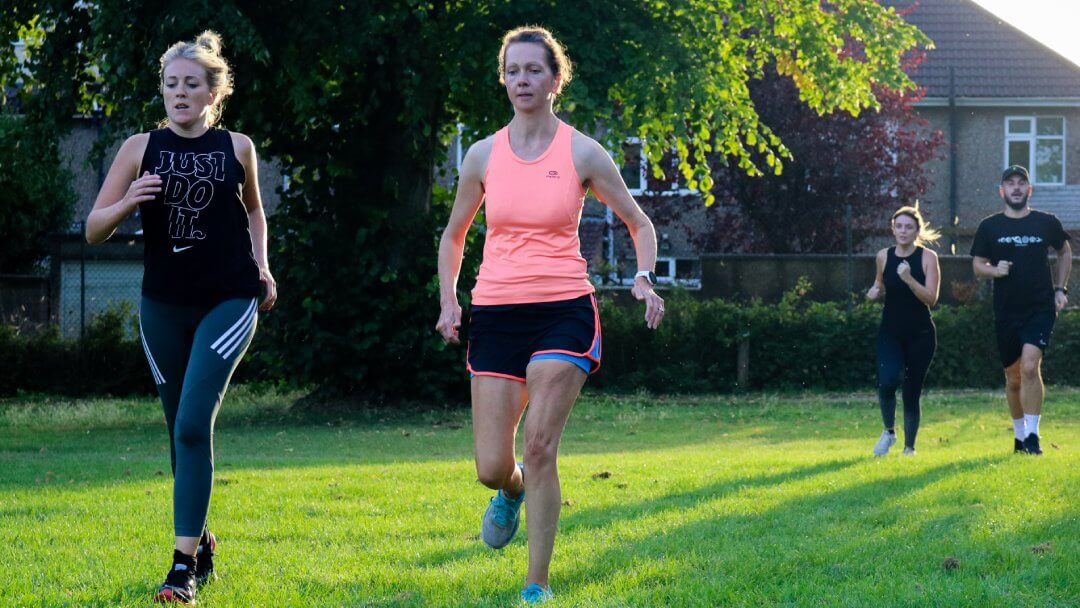
If you’re in your forties and finding that everyday movements feel harder—not just lifting heavy shopping bags, but getting up quickly from a chair, catching yourself when you trip, or sprinting for the bus—you’re not imagining it. And it’s not just about strength.
What you’re experiencing is a decline in muscle power, and it’s happening at nearly double the rate of your strength loss. For women navigating perimenopause, this power decline accelerates even further, creating a perfect storm that affects everything from bone health to your ability to live independently in later life.
Here’s what the science reveals about muscle power, why it matters more than you think, and how Bristol’s Hive Fitness helps women reclaim explosive strength during one of life’s most challenging transitions.
The Power vs Strength Distinction: Why It Matters
Most fitness conversations focus on strength—your ability to lift or move a heavy load. But muscle power is different, and arguably more important for daily life and longevity.
Muscle power is your ability to generate force quickly. It’s what allows you to:
- Catch yourself when you trip
- Jump out of the way of danger
- Lift something overhead rapidly
- Sprint to catch public transport
- Rise quickly from a seated position
Muscle strength is your maximum force production, regardless of speed. It’s important, but power—the combination of strength and speed—is what keeps you functional and safe.
The critical finding from recent research: muscle power declines at nearly twice the rate of strength as we age. One Mayo Clinic study found that after age 40, power decreases by approximately 3.5% per year, whilst strength declines by around 1-2% annually.
Even more alarming: this power decline is strongly associated with mortality risk. The research shows that muscle power is a better predictor of longevity than strength alone.
Why Perimenopause Accelerates Power Loss
If you’re a woman between 40 and 55, your body faces additional challenges that accelerate this power decline:
Hormonal Cascade Effects
Oestrogen’s role in muscle function: Oestrogen doesn’t just affect reproductive health—it plays a crucial role in maintaining muscle protein synthesis and the fast-twitch muscle fibres responsible for power. As oestrogen levels fluctuate and decline during perimenopause, these powerful Type II muscle fibres deteriorate faster than the slow-twitch fibres used for endurance.
Inflammatory environment: Declining oestrogen increases systemic inflammation, which accelerates muscle protein breakdown and slows recovery from exercise. This creates a vicious cycle where your muscles struggle to repair and rebuild after workouts.
Sleep disruption: The sleep disturbances common during perimenopause directly impact muscle recovery and growth hormone production, further compromising your body’s ability to maintain powerful muscle fibres.
Metabolic Shifts
Perimenopause brings metabolic changes that make it easier to gain fat and harder to maintain muscle. This shift in body composition doesn’t just affect how you look—it fundamentally changes how efficiently your muscles can generate force.
Research published in the Journal of Applied Physiology found that perimenopausal women experience a 12% decline in leg muscle power over just 18 months, compared to 7% in age-matched men during the same period.
The Real-World Consequences: Why Power Matters More Than You Think
The decline in muscle power isn’t an abstract concern—it has immediate, practical impacts on your daily life and long-term health:
Fall Prevention and Bone Health
Falls are the leading cause of injury-related death in adults over 65, and the foundation for fall risk is laid decades earlier. Your ability to catch yourself when you trip—a power-based movement—is critical.
When combined with declining bone density (which accelerates dramatically during perimenopause and menopause), the consequences of falls become more severe. Hip fractures, in particular, are often life-changing events for older adults.
The connection is clear: maintaining muscle power helps you avoid falls, and the bone-loading effects of power training help maintain the bone density needed to withstand impact if you do fall.
Functional Independence
Simple daily activities require more power than you might realise:
- Getting up from a low sofa or toilet without using your hands
- Lifting shopping bags into high cupboards
- Climbing stairs without breathlessness
- Playing actively with grandchildren
- Maintaining balance on uneven surfaces
As power declines, these activities become progressively more difficult, forcing compensatory movements that can lead to chronic pain and injury. Many women find themselves avoiding physical activities, which accelerates the decline even further.
Metabolic Health and Weight Management
Muscle power is closely linked to metabolic health. Fast-twitch muscle fibres are more metabolically active and sensitive to insulin than slow-twitch fibres. Losing these powerful fibres contributes to:
- Decreased basal metabolic rate
- Reduced insulin sensitivity
- Increased difficulty managing weight
- Higher risk of metabolic syndrome
Quality of Life
Beyond the physical consequences, declining power affects confidence and willingness to engage in life fully. The fear of falling, the inability to keep up with friends on walks, the frustration of struggling with physical tasks—all of these erode quality of life and can contribute to social isolation.
The Research That Changes Everything: Power and Longevity
A groundbreaking Mayo Clinic study examined the relationship between muscle power, strength, and all-cause mortality in older adults. The findings were striking:
Muscle power was a stronger predictor of survival than muscle strength or aerobic fitness.
Participants with higher leg muscle power had significantly lower mortality risk, even after controlling for strength, body composition, and cardiovascular health. Specifically, those in the highest tertile for muscle power had approximately 50% lower risk of death during the study period compared to those in the lowest tertile.
The researchers concluded that muscle power should be a primary focus for exercise programmes aimed at healthy ageing—not just an afterthought to traditional strength training.
Why Explosive Training Works
Traditional strength training focuses on lifting progressively heavier loads, which is valuable for building maximum strength. But it doesn’t adequately address power development, which requires training your muscles to contract forcefully and rapidly.
Explosive or power training includes:
- Plyometric exercises (jumping movements)
- Medicine ball throws
- Speed-focused resistance exercises
- Rapid bodyweight movements
- Sprint intervals
These movements specifically target the Type II muscle fibres that decline fastest during perimenopause, providing the stimulus needed to maintain and even improve muscle power.
The science supports this approach: research shows that power training can reverse age-related power decline, even in adults in their seventies and eighties. For perimenopausal women, starting power training early creates a protective buffer against accelerated decline.
Why Hive Fitness Bristol’s Outdoor Approach Excels for Power Training
Here’s where outdoor training shows its genuine advantages over traditional gym environments—power development thrives in dynamic, natural settings.
Functional, Varied Movement Patterns
Training in Redcatch Park provides natural opportunities for explosive movement:
- Jumping exercises on grass (lower impact than indoor surfaces)
- Hill sprints and interval training on varied terrain
- Multi-directional movements that challenge balance and power simultaneously
- Plyometric drills that translate directly to real-world movements
Unlike machines that isolate single muscle groups, outdoor power training engages multiple muscles simultaneously, training your nervous system to recruit fibres efficiently—exactly what you need for functional power.
Progressive Challenge Without Equipment Limitations
Power training doesn’t require heavy weights—it requires intent to move quickly and explosively. This makes outdoor training ideal because:
- Bodyweight plyometrics are highly effective for power development
- Resistance bands provide accommodating resistance for explosive movements
- Natural terrain variations create unpredictable challenges that improve reactive power
- Partner exercises and group challenges provide natural progressive overload
Mental and Hormonal Benefits
Training outdoors provides additional benefits particularly relevant during perimenopause:
- Stress reduction: Green exercise significantly reduces cortisol levels, helping mitigate the hormonal chaos of perimenopause
- Vitamin D production: Essential for bone health and mood regulation
- Improved sleep: Regular outdoor exercise helps regulate circadian rhythms, addressing one of perimenopause’s most disruptive symptoms
- Community connection: The social aspect of group training reduces isolation and improves adherence
Year-Round Consistency
During Bristol’s winter months, our indoor sessions at The Harbour Totterdown provide a controlled environment for continued power training, ensuring the consistency that research shows is crucial for maintaining adaptations.
Scalable for All Fitness Levels
Whether you’re new to exercise or returning after a break, our programme structure allows you to start at your current level and progress safely. Power training doesn’t mean jumping into advanced plyometrics immediately—it means training with the intent to move powerfully within your capabilities.
The Time to Act is Now
If you’re in perimenopause, you’re at a critical juncture. The power you maintain now will determine your functional capacity for decades to come. The good news: it’s entirely within your control.
Research consistently shows that power training produces results within weeks, not months. Participants in power training studies often report noticeable improvements in daily function—climbing stairs, getting up from chairs, balance confidence—within 6-8 weeks.
But here’s the critical point: the longer you wait, the more ground you have to regain. Starting power training in your forties is protective. Starting in your sixties is corrective. Both are valuable, but prevention is always easier than reversal.
Frequently Asked Questions
What is the difference between muscle power and muscle strength?
Muscle strength is your maximum force production regardless of speed—how much weight you can lift or how hard you can push. Muscle power, on the other hand, is your ability to generate force quickly. It’s the combination of strength and speed. Power is what allows you to catch yourself when you trip, sprint for a bus, or rise quickly from a chair. While both are important, research shows that power declines faster with age and is a better predictor of longevity and functional independence than strength alone.
Why does perimenopause accelerate power loss?
Perimenopause accelerates power loss through several interconnected mechanisms. Declining oestrogen affects muscle protein synthesis and damages the fast-twitch muscle fibres responsible for power. These Type II fibres deteriorate faster than slow-twitch fibres used for endurance. Additionally, reduced oestrogen increases systemic inflammation, which accelerates muscle breakdown and slows recovery. Metabolic changes make it easier to gain fat and harder to maintain muscle, and sleep disruption impacts growth hormone production. Research shows perimenopausal women can experience significant declines in leg muscle power over relatively short periods, making this life stage critical for intervention.
How quickly can power training produce results?
The good news is that power training produces noticeable results relatively quickly. Research consistently shows improvements within 6-8 weeks of starting a proper power training programme. Participants often report tangible changes in daily function—climbing stairs becomes easier, getting up from chairs requires less effort, and balance confidence improves. The key is consistency and training with the intent to move powerfully, even if you’re starting at a basic level. Studies show that power training can reverse age-related decline even in adults in their seventies and eighties, so it’s never too late to start seeing benefits.
Can outdoor training effectively develop power without heavy gym equipment?
Absolutely. Power training doesn’t require heavy weights—it requires the intent to move quickly and explosively. Bodyweight plyometrics, resistance band work, and explosive movements are all highly effective for power development. Training on grass provides lower impact than indoor surfaces, whilst varied terrain creates unpredictable challenges that improve reactive power. Natural terrain variations, hill sprints, and partner exercises all provide effective progressive overload. Additionally, outdoor training offers benefits particularly relevant during perimenopause: stress reduction through green exercise, vitamin D production for bone health, improved sleep regulation, and the social connection that improves long-term adherence.
Is it too late to start power training in my 50s or 60s?
No, it’s not too late. Research demonstrates that adults in their seventies and eighties can still achieve significant power gains with appropriate training. The difference is that starting power training in your forties is protective—you’re building a buffer against decline. Starting in your sixties is corrective—you’re reversing losses that have already occurred. Both approaches are valuable and effective, though prevention is easier than reversal. The key is starting at your current level and progressing safely with proper guidance. Power training doesn’t mean jumping into advanced plyometrics immediately—it means training with the intent to move powerfully within your capabilities, whatever those may be right now.
References
- Araújo CG, et al. (2025). Muscle Power Versus Strength as a Predictor of Mortality in Middle-Aged and Older Men and Women. Mayo Clinic Proceedings. DOI: 10.1016/j.mayocp.2025.02.015. Available at: https://www.mayoclinicproceedings.org/article/S0025-6196(25)00100-4/abstract
- Volpi E, Nazemi R, Fujita S. (2004). Muscle tissue changes with aging. Current Opinion in Clinical Nutrition and Metabolic Care, 7(4):405-410. Available at: https://pmc.ncbi.nlm.nih.gov/articles/PMC2804956/
- Delmonico MJ, et al. (2009). Alternative Definitions of Sarcopenia, Lower Extremity Performance, and Functional Impairment with Aging in Older Men. Journal of the American Geriatrics Society, 55(5):769-774. Available at: https://pmc.ncbi.nlm.nih.gov/articles/PMC3060646/
- Sipilä S, et al. (2021). Physical Performance During the Menopausal Transition and the Role of Physical Activity. The Journals of Gerontology: Series A, 76(9):1587-1597. Available at: https://academic.oup.com/biomedgerontology/article/76/9/1587/5999479
- Park YM, et al. (2020). Appendicular lean mass is lower in late compared with early perimenopausal women: potential role of FSH. Journal of Applied Physiology, 128:1373-1380. Available at: https://pmc.ncbi.nlm.nih.gov/articles/PMC7956097/
- Phillips S, Woledge R, et al. (1993). Muscle weakness in women occurs at an earlier age than in men, but strength is preserved by hormone replacement therapy. Clinical Science, 84(1):95-98. Available at: https://pubmed.ncbi.nlm.nih.gov/8382141/
- Goodpaster BH, et al. (2006). The Loss of Skeletal Muscle Strength, Mass, and Quality in Older Adults: The Health, Aging and Body Composition Study. The Journals of Gerontology: Series A, 61(10):1059-1064. Available at: https://pubmed.ncbi.nlm.nih.gov/17077199/
- Collins BC, et al. (2019). Aging of the Musculoskeletal System: How the Loss of Estrogen Impacts Muscle Strength. Bone, 123:137-144. Available at: https://pmc.ncbi.nlm.nih.gov/articles/PMC6491229/
Your Next Steps
If you’re experiencing the signs of power decline—difficulty with quick movements, reduced confidence in balance, slower reactions—consider this your wake-up call.
Ready to reclaim your power and set yourself up for strong, independent decades ahead?
Book your first session with Hive Fitness Bristol today and discover why explosive power training is transforming how Bristol women navigate perimenopause and beyond.
Whether you join us in the dynamic environment of Redcatch Park or in our welcoming indoor space at The Harbour Totterdown, you’ll receive expert guidance specifically designed for women navigating hormonal changes, a supportive community of women facing similar challenges, and a programme that prioritises the power development research shows is crucial for healthy ageing.
Discover what to expect in your first 12 weeks and contact Hive Fitness Bristol today to book your trial session and discover why power training might be the missing piece in your perimenopause fitness strategy.
Get In Touch
If you have any questions or would like to find out more about these services, you can contact me via the website here Contact NowAreas Covered
I am based in South Bristol and offer group fitness classes in Knowle and Totterdown which is a short journey from: Bedminster, Ashton, Bower Ashton, Redcatch, Bishopsworth, Hartcliffe, Whitchurch, Hengrove, Brislington, St Anne's Windmill Hill and Southville

Services Overview
I offer outdoor group fitness classes in South Bristol, specialising in strength training for adults over 30 who want to combat muscle loss, improve bone density and maintain functional fitness. My approach is science-backed and supportive, creating a welcoming environment for all fitness levels. Classes focus on bodyweight training, resistance work and functional movement patterns that translate to everyday life. Sessions run at Redcatch Park with indoor options at The Harbour Totterdown during winter months. Classes are designed to build sustainable fitness habits within a supportive community where you can get fitter, stronger and move better at your own pace.