When Did You Last Jump? The Science of Muscle Power and Why It Matters More Than Strength
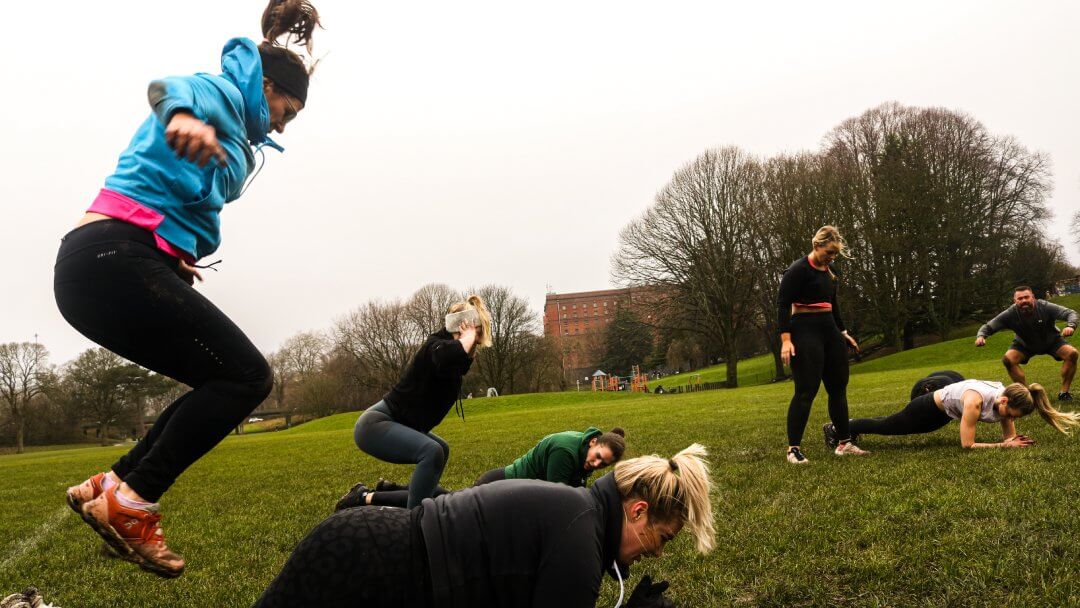
When did you last jump? Not a little hop off a kerb, but a proper jump with both feet leaving the ground with intent. If you’re struggling to remember, you’re not alone—and it might be more important than you think.
The Hidden Crisis: Power Fades Faster Than Strength
We’ve all heard about age-related muscle loss, but there’s something happening that’s even more critical to your independence and longevity: the loss of muscle power. And it’s happening faster than you might imagine.
A groundbreaking 2025 study published in Mayo Clinic Proceedings followed 3,889 adults aged 46-75 for nearly 11 years. The conclusion was stark: muscle power is a better predictor of longevity than strength itself.
Here’s what the research revealed:
- After age 40, we lose 1-2% of muscle mass per year
- But muscle power drops even faster—approximately 3% annually
- By our 70s, most adults have lost 60% or more of their explosive ability
- Those with the lowest muscle power were 5-6 times more likely to die than those with the highest
Why Power Matters More Than Raw Strength
Power equals force multiplied by speed. While strength is about how much you can lift, power is about how quickly you can generate that force. And here’s the crucial difference: with ageing, our ability to move quickly declines earlier and faster than our raw strength.
Think about the moments that matter most for independence—catching yourself from a fall, standing up quickly from a chair, or climbing stairs without getting breathless. These all require rapid force generation, not just strength.
The researchers suggest that because everyday survival often depends on quick reactions, muscle power may better capture the body’s true reserves than strength alone. This is why you might still be able to lift heavy shopping bags (strength) but struggle to react quickly when you trip (power).
The Real-World Impact
By the time we reach our 70s, simple actions like standing from a chair or navigating stairs become significantly harder—not because we lack the strength, but because we’ve lost the explosive power to move efficiently.
This isn’t just about athletic performance. It’s about maintaining the ability to live independently, react quickly to prevent falls, and preserve the confidence to move through life without fear. Research shows that muscle power decline is directly linked to loss of functional independence, increased hospitalisation rates, and reduced quality of life.
Consider the difference between slowly lowering yourself into a chair versus being able to stand up quickly and confidently. That explosive ability to rise from seated—which requires power, not just strength—is one of the strongest predictors of independence in later life.
Why Most Training Gets This Wrong
Traditional strength training focuses on lifting heavy weights slowly. While this builds muscle mass and basic strength, it doesn’t address the speed component of power. The research suggests that power-focused training—lifting moderate weights faster, performing explosive movements like jump squats, and incorporating rapid directional changes—may improve mobility and longevity more effectively than conventional slow strength work.
Many gyms and fitness programmes still emphasise heavy, slow lifts. This approach certainly has value for building muscle mass and bone density, but it misses the critical speed component that protects independence as we age.
How Bristol Residents Are Training Smarter
At Hive Fitness in Redcatch Park, this isn’t theoretical—it’s practical. Those burpees, jump squats, power sprints, and explosive push-ups aren’t just about making sessions challenging. They’re specifically designed to maintain and improve the muscle power that research shows is crucial for longevity.
Our outdoor training environment is ideal for this type of work. You need space to jump, sprint, and move explosively—something that’s often limited in traditional gym settings. The varied terrain of the park also provides natural challenges that require quick adaptations and power generation.
Each session incorporates multiple power-building elements:
- Plyometric exercises like box jumps and jump squats develop explosive lower body power
- Medicine ball throws build upper body power and core stability
- Sprint intervals maintain fast-twitch muscle fibres
- Agility drills improve reactive power and coordination
Regular task-based workouts and partner challenges give members a chance to test their explosive capabilities and track improvements over time. It’s not just about getting fitter—it’s about maintaining the physical capabilities that preserve independence as we age.
The Simple Question That Changes Everything
So, when did you last jump? If you’re incorporating running into your routine, that’s excellent for cardiovascular health. But are you specifically training the explosive movements that research shows matter most for longevity?
The evidence suggests that even small doses of power-focused training may transfer to significant survival benefits. Testing and training muscle speed in midlife could extend not just independence, but potentially life itself.
The Mayo Clinic researchers emphasised that their findings suggest testing and training muscle speed during middle age could be a strategy to extend not just lifespan, but healthspan—the years we live with good health and independence.
Take Action While It Matters
The research is clear: power fades faster than strength, and the consequences are more severe than we previously understood. The good news? Unlike muscle mass, power can be improved relatively quickly with the right training approach.
If you haven’t jumped, sprinted, or moved explosively in months (or years), it’s time to change that. Your future independence—and the research suggests, your longevity—may depend on it.
Ready to test your explosive power and learn how to maintain it for life? Hive Fitness offers group sessions designed around the latest research on healthy ageing. If you’re interested in finding out where your power levels stand and how to improve them, book onto a class to find out!
Related Reading
Why Strength Training Becomes Non-Negotiable After 30: The Science Behind Muscle Loss and How Bristol Residents Can Fight Back
The Fall That Changes Everything: Why Balance Training Matters More After 50
Why You’re Losing Strength Faster Than Your Parents Did
The Muscle-Bone Balance Connection: Why They Decline Together
Recovery After 40: Why Your Body Needs More
The Metabolism Myth: Why You Can’t Out-Train a Slowing Metabolism
References
- Mandsager K, et al. (2025). Association Between Cardiorespiratory Fitness and Long-term Mortality Among Adults Undergoing Exercise Treadmill Testing. Mayo Clinic Proceedings. Available at: https://www.mayoclinicproceedings.org/
- Reid KF, Fielding RA. (2012). Skeletal muscle power: a critical determinant of physical functioning in older adults. Exercise and Sport Sciences Reviews, 40(1):4-12. Available at: https://www.ncbi.nlm.nih.gov/pmc/articles/PMC3245772/
- Bean JF, et al. (2003). The relationship between leg power and physical performance in mobility-limited older people. Journal of the American Geriatrics Society, 51(3):426-433. Available at: https://agsjournals.onlinelibrary.wiley.com/doi/10.1046/j.1532-5415.2003.51152.x
- Skelton DA, et al. (2002). Explosive power and asymmetry in leg muscle function in frequent fallers and non-fallers aged over 65. Age and Ageing, 31(2):119-125. Available at: https://academic.oup.com/ageing/article/31/2/119/38207
- NHS. (2023). Physical activity guidelines for older adults. NHS Better Health. Available at: https://www.nhs.uk/live-well/exercise/physical-activity-guidelines-older-adults/
Frequently Asked Questions
What’s the difference between muscle strength and muscle power?
Strength is how much force you can generate—like how heavy a weight you can lift. Power is how quickly you can generate that force—like how fast you can move that weight. Power = force × speed. As we age, we lose power faster than strength, which is why you might still be strong enough to lift something but struggle to react quickly when needed.
How do I train for muscle power rather than just strength?
Power training involves explosive movements performed with speed and intent. This includes plyometric exercises like jump squats, box jumps, medicine ball throws, sprint intervals, and agility drills. At Hive Fitness, our outdoor sessions incorporate these power-building movements alongside traditional strength work to maintain both components.
Can I improve my muscle power if I’ve never trained before?
Absolutely. Research shows that muscle power responds quickly to training, often showing improvements within 6-8 weeks. You don’t need to start with advanced movements—we scale everything to your current ability. Even modified jumping movements and faster-paced bodyweight exercises can significantly improve power output.
Is power training safe for people over 50?
Yes, when properly progressed. Power training is actually crucial for maintaining independence as we age. We start with controlled movements and gradually build explosive capability. The varied terrain at Redcatch Park allows us to adapt exercises to different fitness levels whilst still developing power safely and effectively.
Get In Touch
If you have any questions or would like to find out more about these services, you can contact me via the website here Contact NowAreas Covered
I am based in South Bristol and offer group fitness classes in Knowle and Totterdown which is a short journey from: Bedminster, Ashton, Bower Ashton, Redcatch, Bishopsworth, Hartcliffe, Whitchurch, Hengrove, Brislington, St Anne's Windmill Hill and Southville

Services Overview
I offer outdoor group fitness classes in South Bristol, specialising in strength training for adults over 30 who want to combat muscle loss, improve bone density and maintain functional fitness. My approach is science-backed and supportive, creating a welcoming environment for all fitness levels. Classes focus on bodyweight training, resistance work and functional movement patterns that translate to everyday life. Sessions run at Redcatch Park with indoor options at The Harbour Totterdown during winter months. Classes are designed to build sustainable fitness habits within a supportive community where you can get fitter, stronger and move better at your own pace.